My Blog List

Thursday, July 13, 2023

Open-faced sandwiches for a quick, easy, and cool summer supper


Sophie keeping an eye on the cook in the kitchen.
After all, sometimes a bit of cheese falls on the floor.
Accidentally, of course.

The French have mastered the technique for this treat they call a tartine. Sounds sophisticated, but it’s really what you and I know as an open-faced sandwich. No, I didn’t need my fictional character, Irene, to teach me that. I’m a big fan of these easy-to-fix meals. All you need is a piece of bread and something to put on top of it. But it’s not that simple.

First you need a good piece of bread—artisan breads are probably just right. Sometimes a good, sturdy piece of rye is the best accompaniment for your toppings. In France, they trim the crust off bread for tartines. Recently I made an open-faced sandwich with the sourdough bread I love, but the crust proved difficult to cut. Trimming is good idea. You want to toast the bread and then give it a coating that will not only add flavor but will be a barrier between the toast and the toppings to prevent sogginess that might come from, say, sauteed vegetables. For a breakfast sandwich, spread butter or jam or cream cheese. At lunchtime, try spraying with olive oil or smearing with hummus or mayonnaise.

Vegetables deserve a dressing too, even if it’s a simple vinaigrette or lemon juice. Add salt and pepper to taste. Be sure vegetables are thinly sliced or diced so that they are easier to deal with. And things that might roll off, like capers or sliced scallions? Put them first on the bread, so the schmear will act as glue to hold them.

Finally, arrange the ingredients attractively—I keep quoting my mom who said food is half eaten with the eye. Think of the sandwich as a small chaucuterie board. What looks good next to what?

When you think of an open-faced sandwich, what comes to mind? Avocado toast? Lox and bagels, especially since I like mine on a slice of Jewish rye? A Kentucky Hot Brown? The possibilities are almost endless. Here are two I liked: one a new non-recipe I just found and served, the other a classic I’ve ordered and made for years. Caution: you need a knife and fork to eat these.

First, the new:

Roast beef and blue cheese open-faced sandwich*

(for one sandwich, amounts approximate and you can vary to taste)

Bread – I used sourdough but didn’t trim the crusts and wish I had; rye would also be good

Olive oil

Roast beef – deli style, thin-sliced about ¼ pound or two or three slices

Mayonnaise – 2 Tbsp

Fresh horseradish – 1 Tbsp.

Blue cheese – ¼ cup, finely crumbled

Fresh beet, steamed or roasted – about ¼ cup, finely diced

Simple vinaigrette – 1 Tbsp.

Watercress leaves – ½ cup

Toast the bread and spray it with olive oil. Combine mayonnaise and horseradish and spread mixture on toast; layer roast beef, blue cheese, beets. Drizzle vinaigrette over sandwich. Top with watercress.

And the classic. Years ago, this was served at Colonial Country Club but was not on the menu (that may still be the case—I don’t know). You had to ask for it. I have since approximated it at home many times. This is from memory, so it is a bit vague:

Rye bread

Baked ham (not smoked) – 2 deli slices

Roast turkey – 2 deli slices

Swiss cheese (or provolone) – one large slice

Thousand Island dressing, either homemade or bottled – I am sure Colonial had a house-made sauce, but I find this a good substitute. Use enough to cover the sandwich, but don’t drown it.

Hard boiled egg slices to decorate – (optional)

This is pretty self-explanatory. Just layer it as listed in the ingredients, but be sure to toast the bread and spray with olive oil.

Serve with a pickle spear.

*This was a description, not a recipe, published in the Fort Worth Star-Telegram. The idea is attributed to Linda Gasserheimer


Thursday, July 6, 2023

Dress up those grilled steaks and fish


I am a big fan, as you probably have guessed, of what I call American cooking. That’s a food type hard to define, with so many cuisines having blended together to create the foods we eat daily, from spaghetti to stir-fry to meatloaf. When I think of American food, I think of the things I grew up on in the fifties—tuna casserole, salmon cakes, mac and cheese, roast beef, and fried chicken. But I try to be open to the influx of new flavors and dishes that has dramatically changed the face of American cooking in the last decade or more, bringing contributions from South America, Asia, Africa, and the Middle East. Two that I guess would fall into the category of condiments are kimchi and chimichurri.

I have to confess I have never tried kimchi, though I’ve read a lot about it and the word that sticks in my mind is “fermented.” Kimchi comes from Korea where it is a side dish usually served with rice. It is vegetables, principally Napa cabbage, which is salted, fermented, and seasoned to taste—for instance with onion, garlic, ginger, and a couple of things I know nothing about: gochugaru (Korean red pepper—I’m leery already!) and jeotgal (salted and preserved seafood of various varieties). I love sauerkraut, which is the German version of fermented cabbage, so I ought to like kimchi (maybe without the jeotgal, though I’m a seafood lover).

In addition to a side dish with rice, kimchi is used in soups and stews. I’ve even read of sandwiches incorporating it—grilled cheese comes to mind. Kimchi is not any one flavor—it depends on the label if you buy it or seasonings you use if you make it. I suspect you have to experiment with taste to find what you like. The internet offers an infinite variety of products and ideas. Let me know if you like it.

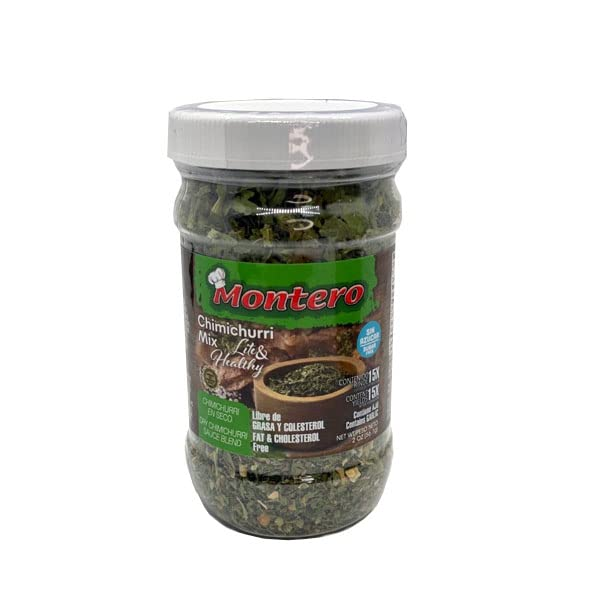
Chimichurri comes from South America, is made with parsley, garlic, vinegar, olive oil, and


flakes of chili pepper, and is traditionally used on grilled meat or fish. The internet has countless recipes for chimichurri, but you can also buy it is most grocery stores. I much prefer the homemade version. Here’s a recipe that we fixed with a marinated skirt steak. Next to the sauce recipe, in Jordan’s writing, it says, “Love” with a big arrow.

Chimichurri sauce

1 cup fresh parsley (use Italian flat-leaf)

1 cup fresh cilantro

¼ cup olive oil

½ medium onion, diced

3 garlic cloves, minced      

3 Tbsp. fresh lime juice

2 Tbsp. red wine vinegar

½ tsp. salt

½ tsp. pepper

Optional pinch of red pepper flakes.

Blend ingredients until smooth in food processor.

Some time ago I made a green sauce that was a simplified American version of chimichurri or green salsa without the peppers (that’s important to me). I served it on grilled salmon, but you could also use it on grilled meats or in soups or stews. This too is quick and easy and is a great way to use up leftover bits of herb bunches.

Green sauce

1 cup fresh tender green herbs – parsley, basil, thyme, oregano, or use non herb flavorful greens such as celery leaves, arugula, watercress, fennel, etc.

½ cup red wine vinegar

¾ cup olive oil

1 tsp. kosher salt

3 garlic cloves, grated (use a micro plane if you have it)

1 shallot, finely chopped

You can chop the herbs by hand or use a food processor. Add other ingredients and blend.

Summer, when the grill is in frequent use is a great time to experiment with these two condiments.

Thursday, June 29, 2023

A summer supper salad


Smoked salmon potato salad

One of the things I like to keep in my fridge in summer (and often winter too) is smoked salmon. You can do many things with it. Lox and bagels may be the basic, with cream cheese (a schmear) but I actually prefer mine on good rye toast. Put a slice of smoked salmon in an egg salad sandwich; dice it and throw it in scrambled eggs along with diced and drained tomato and a scallion; use minced to spark up a traditional potato salad. What I want to share today, though, is a smoked salmon/potato salad that is way different and makes a great company dish.

First a repeat definition: not all smoked salmon is lox. Belly lox is thin-sliced meat from the fatty belly of the fish; it is not cooked but cured or brined, making it quite salty. Nova lox is cured in a milder brine and then cold smoked at relatively low temperatures—the fish remains raw and moist but takes on a smoky flavor. When you order lox and bagels in a deli, you get either belly or Nova (because the technique originated in Nova Scotia). In some larger delis, you may be able to specify which. Most people prefer Nova.

Scottish-style salmon is cured in a mixture of salt, spices, and sugar, while gravlax, from the Slavic countries, has been immersed in a rub of dill, sugar and spices. I have made gravlax at home, a five-day or so process but really good.

And then there’s hot smoked salmon, which means the meat has been brined and then smoked at a higher temperature. The meat is firmer and can be flaked, like a cooked piece of salmon but with a smoky flavor. It is a good choice for dips and creamy salads but can be served in much as you would serve a plain filet of salmon: by itself, with lemon, in salads in place of tuna or chunked into a green salad, with pasta (add some olive oil and lemon), in croquettes.

The recipe I want to share tonight (where did the day go?) uses cold-smoked salmon—Nova lox is probably best. You can, as you probably know, buy packets at most groceries. Each label tastes a bit different, so you might want to experiment and see which tastes most satisfying to you. Here’s what I adapted from a recipe by Jamie Oliver, the British chef:

 Smoked salmon potato salad

1 lb. new potatoes, cooked and peeled (this might be one of those rare cases where canned sliced white potatoes work best).

Salt and pepper

Juice and zest of one lemon

A splash of white wine vinegar

Olive oil

2 tsp. capers, rinsed and drained

2 tsp. horseradish

¾ cup créme fraiche (substitute sour cream if you must or make your own crème fraiche: see note in Condiments section)

10-12 oz. smoked salmon, separated into pieces

Boil potatoes until just cooked; peel and dress while still warm (if using canned, perhaps heat in microwave just a bit—warm potatoes absorb dressing better).

Mix lemon zest and half the juice, vinegar, and olive oil (remember the 3:1 proportion of oil to acid) and whisk to mix. Pour over potatoes. Stir in capers.

Separately mix horseradish into crème fraiche. Stir in remaining lemon juice. Salt and pepper to taste. (This makes a great horseradish sauce for ham, fish, whatever---no need to fuss with fancy recipes with multiple ingredients.)

Lay out salmon pieces on platter in a sort of random manner. Spoon potatoes (arranging artfully) and any dressing left over them. Drizzle crème fraiche dressing over all and sprinkle with chopped dill.

Serves four. Nice with crusty baguette slices.


Thursday, June 22, 2023

Curried chicken salad supper


Curried chicken salad before the topping is broiled.
Note the CorningWare dish, one of two I treasure.

One night recently Christian had promised to make stir-fry but got distracted by car troubles, so I volunteered to make chicken salad. He looked skeptical, no doubt because there are at least 3,452 recipes for chicken salad and he’s always a bit leery of what I will put into a new dish. When he took a second helping that night, he said, “Not bad for a last-minute dinner.”

This is a recipe I’ve had for so long that I have no idea where I got it, but before I present it I want to say a word about chicken. In recent years, rotisserie chicken has become the thing—quick, easy, tasty, never dry, low fat (if you discard the skin). I disliked boning it until Jordan convinced me that if you bone it right when you get it home from the store, while it’s still warm, it is much easier than if you refrigerate it first. Still, I try to sweet-talk her into doing it when I can. But I have used traditional or classic rotisserie chicken (I cannot tell the difference between the two, but I avoid all those exotic flavors such as sweet mesquite or smoked garlic pepper or Cajun) for everything—sandwiches, salads, soups, casseroles. But no more. I am a reformed person.

First of all, chicken is an inexpensive protein—but when you buy a rotisserie chicken, it gets a lot more expensive. And there’s that boning and, afterward, a carcass to deal with. Jordan insists I put it in the freezer until trash day so it won’t smell up my kitchen, but it takes up valuable freezer space. The real reason, however, that I’m giving it up is that rotisserie chickens are injected with a solution high in sodium, sugar, and processed ingredients like carrageenan (an additive that thickens and preserves). So it really is nonsensical that producers tell us the chicken is organic and then preserve it for the rotisseries.  

There’s another factor: years ago I would roast chicken by putting it in a pan, adding a bit of water, salt and pepper for the meat, and sometimes I’d lay an onion slice or two on it. Or sometimes I poured a cup of chicken broth over it before I covered the pan. Somehow I switched to poaching and it never was right—the meat was always tough. You’re never too old to learn something new—I was poaching at a hard boil. What you want is to simmer the chicken in water flavored as you like, perhaps a bay leaf, a bit of onion, some salt and peppercorns. But never let it quite come to a boil. Takes about forty-five minutes to poach a full breast, but it makes all the difference in the world. So now I’ll be poaching boneless, skinless breasts to cook with. Many recipes call for three cups of diced chicken—one full breast (both sides) gives you about that.

So here’s my recipe.

Curried chicken salad with crisp topping

3 c. cooked chicken, diced

1 c. celery, diced

½ c. thinly sliced scallions

Juice from half a lemon, more if needed

2 tsp. curry powder

¾ c. mayo

½ c. sour cream

Salt and pepper

2 c. finely crushed potato chips

1 c. coarsely shredded sharp cheddar

Chop and dice chicken, celery, and scallions, and stir together in a large bowl. Mix lemon juice, curry powder, mayo, sour cream, and salt and pepper separately and stir into chopped mixture. Chill at least an hour in the fridge, longer if possible. If you have any old-fashioned CorningWare, put the salad in that because you are going to want to take it straight from fridge to broiler. Other ways to do this: use a metal pan like roaster or even a pie plate, or when you remove the salad from the fridge, switch it to a baking dish that is not cold. If you take Pyrex from fridge to oven, the dish is liable to crack. Also use a flat pan if possible—you want as much surface as you can get because the topping is what gives this the extra zing.

Separately, mix the chips and cheese thoroughly.

When ready to serve, pull salad from fridge and put in roasting dish you’ve chosen. Top evenly with chip/cheese mixture. Heat the broiler and run the dish under it. Do not walk away! Do not try to do something else! Stand right there and watch, because those chips will go from nicely browned to burnt faster than you blink. Serve immediately.

We had some left over the night I fixed it, so I served it to Jean the next day. Hoping to crisp up the topping, I ran it in the oven for a very few minutes. When she took a bite, she said, “The salad part didn’t get warm.”

“It’s not supposed to,” I replied.

And about that stir-fry, Christian fixed it the next night, and it was so good. But you have to get him to tell you what he did.


Thursday, June 15, 2023

Salade Niçoise


Salade Niçoise is one of the composed salads, in some ways a tuna version of Cobb Salad but much more complex—not surprising since it is French in origin, having first appeared in the city of Nice. Beyond that, no one seems to agree on much about the dish. One version I read is that originally it was simply anchovies, tomatoes, and olive oil. Auguste Escoffier, the famous chef who lived near Nice, added boiled green beans and potatoes, probably in the early nineteenth century. In the seventies the then-mayor of Nice, himself a cookbook author, decreed authoritatively that the salad should be mostly tomatoes; hard-boiled eggs and tuna were allowed but the green beans and potatoes had to go. Today’s Salade often incorporates all of the above.

Canned tuna is used in most recipes, but even then, controversy hovers. Julia Child insisted on canned tuna in olive oil; others prefer canned in water. And now there’s a new version in the field. Dining alone recently, I decided on Salade Niçoise since I had all the ingredients on hand. Only later did I find out that I had inadvertently prepared the latest version. Here’s what I did:

Ingredients – serves two

3 Tbsp. olive oil

2 Tbsp. lemon juice

1 Tbsp. minced shallot

1 tsp. Dijon mustard

2 anchovies minced (or 1 tsp. anchovy paste)

¼ tsp. salt

1/8 tsp pepper

Whisk dressing ingredients together and set aside.

Six or eight grape tomatoes, halved lengthwise

¼ tsp. sugar

¼ tsp. salt

Eight or ten baby potatoes, either red or Yukon gold, the size of your thumb

A handful of green beans, ends snapped, cut in half if necessary.

3 hard-boiled eggs

1 5-6 oz. can tuna (I prefer water-packed chunk tuna—you want a really good tuna, like Tonino)

Niçoise olives and capers (optional, which means I omit them)

Toss the tomatoes with sugar and salt and let sit while you prepare the potatoes. Boil the potatoes until just tender, let cool a bit and then use a wooden spoon to smash each. Toss with olive oil and fry in skillet until crisp. Drain and cool. (This is a great way to make smashed potatoes for any kind of meal; you can roast in a hot oven instead of frying if you prefer—just be sure to toss in olive oil first.)

If you don’t want smashed potatoes in the salad, just toss the warm potatoes in a bit of the dressing before you put them on the plate. But smashing them was what I thought was such a great idea—and then I found it in an online cooking column.

Boil the green beans until just crisp-tender and cool in an ice bath.

Arrange the salad ingredients in two plates—I like to use soup plates for main dish salads. Drizzle dressing over ingredients and share extra dressing in a small pitcher.

An odd note: Julia Child fancied up her Salade Niçoise by twisting an anchovy on each egg half. Catches the eye.

And a digression: My oldest daughter always wants to know why people say tuna fish salad and not just tuna salad. Ever thought about it?


Saturday, June 10, 2023

Life comes at you fast


Age is an issue of mind over matter.

If you don’t mind, it doesn’t matter. – Mark Twain


I stole that title from the series of sermons Russ Peterman is preaching at University Christian Church in Fort Worth. Dr. Peterman means it in the sense that life goes by so quickly: one minute you’re sixteen and the next you’re a senior citizen. I give the phrase a different twist: life can throw you curve balls one after another. That’s what it felt like to me this week.

Mainly my woes were linked to my computer. When I went to wake it one afternoon (we’d both had a nap), Microsoft demanded a password. When I supplied that, it announced my wireless keyboard needed updating. I pressed the proper button and was told it couldn’t connect. Did I want to skip the update? I did. And just like that, my keyboard quit working and began flashing red and green lights.

I checked Microsoft support but when a man in Africa wanted my contact information, I demurred, and when he wanted to take control of my computer, I ended the session. So I am using my laptop keyboard, which just doesn’t work for me. The cursor jumps all over the place, puts letters and words where I don’t intend them, and just lost an entire paragraph. Sigh.

Meantime, MacAfee alerted me that information from one email account had been found on the dark web, and Google Analytics warned that I only have a limited amount of time to transfer to their new system. Colin advised changing the email account password, and I decided to ignore Google Analytics since I never use it—thanks to Subie for that bit of advice. Colin also warned to be careful of answering such threatening emails because there are a lot of look-alikes out there.

There was still the keyboard problem: I ordered a cheap one from Amazon, but when I started to install it, I realized it was not as good as the one I had. It required AA batteries whereas the now defunct one plugged into a USB port. And the mouse is much better fitted to your hand. My fault for going cheap. Today Jamie ordered one just like I had, to be delivered tomorrow. Can’t wait.

My new teakettle is working and if I could get the electric garbage can working and the keyboard installed, all might be well in my electronic worled. Yes, I know. First-world problems.

Back to Dr. Peterman’s sermons: I am anxious to hear what he has to say about the last stage of life. In the first publicity for the series, he referred to childhood, adolescence, adulthood, and old adulthood. I howled in protest, telling him I did not want to be called an old adult. He said it was a typo, should have been older, but he recognized that wasn’t much better. Later, he emailed that he had once served in a church where the senior citizens called themselves Third Agers. I agreed that was better.

By serendipity friends and I have been talking about age. Subie and Phil were here last night (they praised my new hearing aids, said I picked up everything they said with the implication that I usually don’t) and we decided we didn’t feel elderly. I usually say that I feel like I’m in my thirties—those were happy days, with four babies and what I thought was a happy marriage. In retrospect I’m happier now than I was then, but still, thirty is a good way to feel. I think Subie said she feels even younger, and we agreed we know people younger than us who are older. Then again, I read of people older than me who are younger—I simply am not about to ride a horse or a bicycle again, let alone jump out of an airplane or enter a marathon dancing contest. I did recall the time I told Jamie I didn’t feel any different than the coeds on campus (this was years ago when I was working on campus and probably he was in school). He thought that was the funniest thing he’d ever heard and laughed until I wanted to bop him one.

But what I’m working toward is that barring catastrophic illness age is in large part a matter of your mind. How you think of yourself affects the face you present to the public and the way people respond to you. It dictates how you look, how you walk, and certainly how you think.

Barbara, my BFF from high school, and I have corresponded a bit this week about another aspect of aging: growing wiser. We learn to accept, and we learn—oh, this is a hard lesson—not to try to control but to watch how others react and think and behave. Self-acceptance is a big part of growing old gracefully. You simply don’t have to rescue the world or even change it, though Lord knows in some ways I’m still trying.  But in some indefinable way, my soul is now more at peace than it ever was. I like the way Gwyneth Paltrow said it: “The best thing about getting older is that you become more comfortable in your own skin.”

Now I’m anxious for the last Sunday of the month and the last sermon in the series, to hear what Dr. Peterman says about the third age or stage.

We have one hour to go under a sever thunderstorm watch and it doesn’t look like it is going to happen. We surely don’t need the severe part, but some rain would be so welcome.

Thursday, June 8, 2023

A rant and a couple of new ideas


Martha Stewart's tonkatsu

Recently I was struck by how many inappropriate combinations of flavors you see when you browse recipes online. Specifically, it seemed to me that in an effort to dress up ingredients, “inventive” cooks were smothering the basic flavor of the dish. Specifically I thought this when I found a recipe for lamb barbacoa. I know some people don’t eat lamb, but I do. I love it, but for economy’s sake most of the lamb my family gets is ground—in burgers, meatloaf, ragu sauce, etc. I buy myself an occasional loin lamb chop—a treat for a night when I dine alone. But this recipe called for a small, boneless leg of lamb. Trust me, if I can afford a leg of lamb, I am not disguising it under barbacoa flavorings. I grew up in a household where roast leg of lamb was frequently on the table, and there is nothing better than a cold lamb sandwich with mayonnaise the next day.

Similarly, I came across a recipe for lobster with firecracker sauce. You can buy bottled firecracker sauce (maybe you already know this) or make your own. Basically it consists of siracha, garlic, brown sugar, and soy sauce. Why in heaven’s name would you hide the delicate taste of lobster with siracha sauce? I admit I’m prejudiced—you say siracha to me, and I say too hot. I can even see brown sugar and soy, used sparingly, on lobster. Last week I had a lobster roll at Fort Worth’s Lucile’s Bistro, with their own sauce on it, and it was just right—delicate yet flavorful. But siracha?

Finally, I am weary of all the recipes that char everything. For instance, I love a good Caesar salad, crisp leaves of Romaine with that robust, anchovy-spiked dressing. But why char it? Yet charred Caesar salad is a popular recipe? Just search for it. Once I made a dip recipe that incorporated charred scallions—I didn’t like it, but one of Jordan’s friends ate almost the whole thing. To me, why hide the fresh flavor of scallions. These days just the word charred can stop me from reading a recipe, unless it’s steak.

Okay. Rant over. Here’s something I just learned to do and thought it was really good: next time you make a tuna fish salad sandwich, put a layer of potato chips in it. The crunch is terrific. In a few minutes, I’m making a chicken salad sandwich and plan to try it. I think I got the idea from Sam Sifton of the New York Times, but I know I’ve seen it suggested several times. Just took me a while to try it.

I have a fairly rigid rule that I don’t share on this blog a recipe I haven’t tried, but I just came across this one and couldn’t resist. So I’m breaking my rule. Tonkatsu sauce is a traditional Japanese condiment, most often used on breaded and fried pork or chicken cutlets, and served with grated cabbage on the side. The sauce is basically ketchup, Worcestershire, and soy, though some versions add mirin and other ingredients. I don’t keep mirin on hand, but I always have ketchup, Worcestershire, and soy. I think this would be good on grilled chicken or beef, lots of things. Even vegetables. Here’s a basic version:

¼ cup ketchup

1 tsp. mirin

1 tsp. brown sugar

1 tsp. soy sauce


Bottled versions are available online, though when I checked with my go-to grocery, Central Market, they only offered several packaged dishes, like ramen, with tonkatsu flavoring. You can find tonkatsu ramen recipes online.

Want to try an original recipe for the dish? Martha Stewart’s fried pork cutlets is a good place to start: Tonkatsu Recipe (marthastewart.com) If you don’t like to fry, there are recipes online for making tonkatsu in your air fryer. And there’s always the grill.

Fire up the grill, Christian! We’re making tonkatsu!