My Blog List

Showing posts with label #American cooking. Show all posts

Thursday, July 6, 2023

Dress up those grilled steaks and fish


I am a big fan, as you probably have guessed, of what I call American cooking. That’s a food type hard to define, with so many cuisines having blended together to create the foods we eat daily, from spaghetti to stir-fry to meatloaf. When I think of American food, I think of the things I grew up on in the fifties—tuna casserole, salmon cakes, mac and cheese, roast beef, and fried chicken. But I try to be open to the influx of new flavors and dishes that has dramatically changed the face of American cooking in the last decade or more, bringing contributions from South America, Asia, Africa, and the Middle East. Two that I guess would fall into the category of condiments are kimchi and chimichurri.

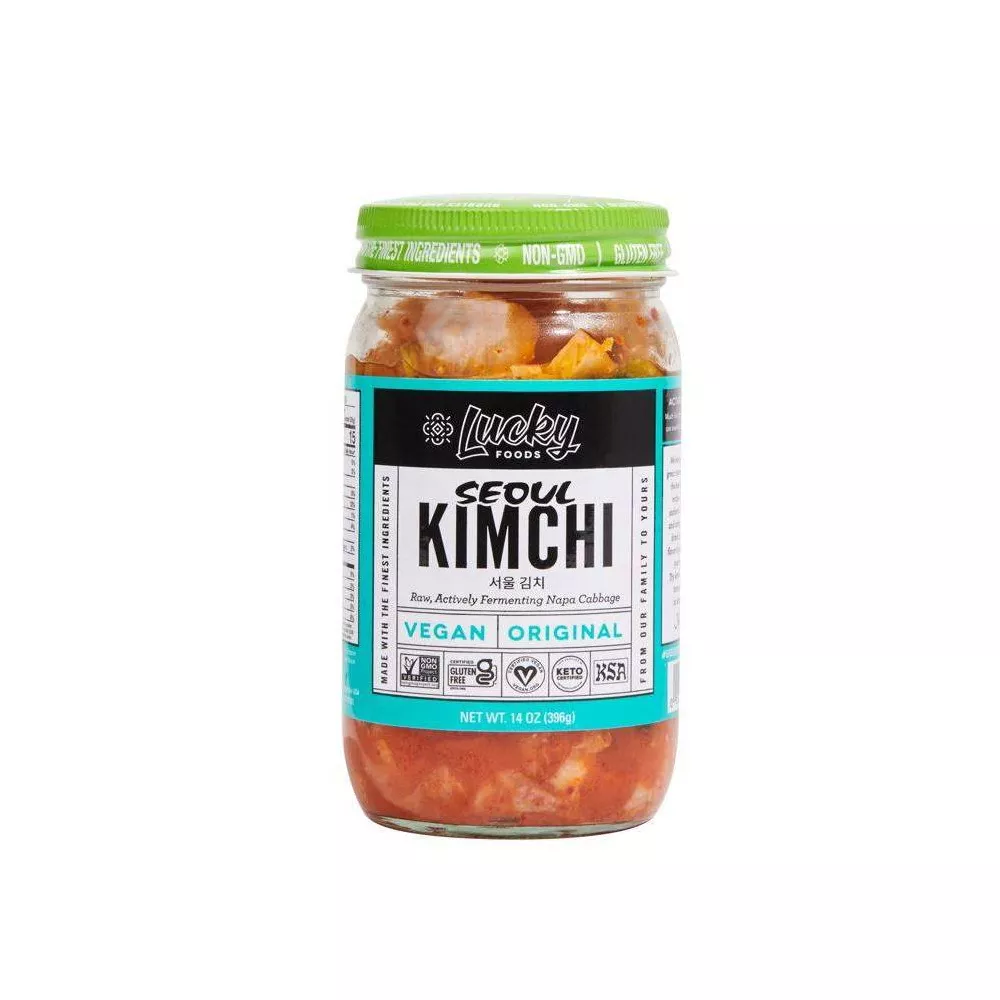
I have to confess I have never tried kimchi, though I’ve read a lot about it and the word that sticks in my mind is “fermented.” Kimchi comes from Korea where it is a side dish usually served with rice. It is vegetables, principally Napa cabbage, which is salted, fermented, and seasoned to taste—for instance with onion, garlic, ginger, and a couple of things I know nothing about: gochugaru (Korean red pepper—I’m leery already!) and jeotgal (salted and preserved seafood of various varieties). I love sauerkraut, which is the German version of fermented cabbage, so I ought to like kimchi (maybe without the jeotgal, though I’m a seafood lover).

In addition to a side dish with rice, kimchi is used in soups and stews. I’ve even read of sandwiches incorporating it—grilled cheese comes to mind. Kimchi is not any one flavor—it depends on the label if you buy it or seasonings you use if you make it. I suspect you have to experiment with taste to find what you like. The internet offers an infinite variety of products and ideas. Let me know if you like it.

Chimichurri comes from South America, is made with parsley, garlic, vinegar, olive oil, and
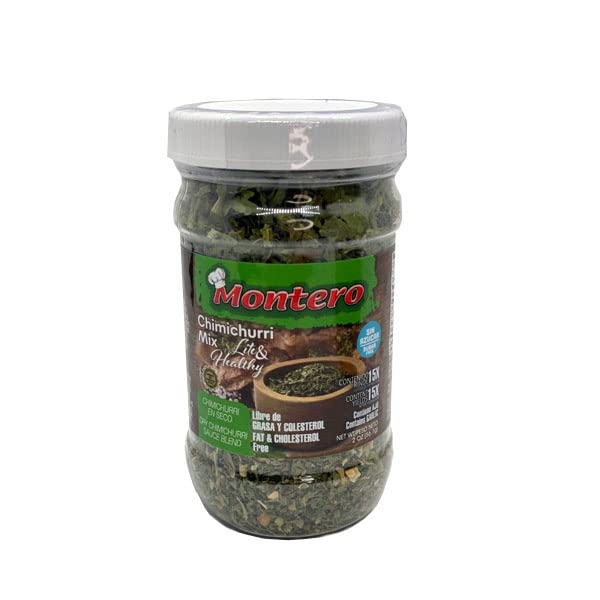

flakes of chili pepper, and is traditionally used on grilled meat or fish. The internet has countless recipes for chimichurri, but you can also buy it is most grocery stores. I much prefer the homemade version. Here’s a recipe that we fixed with a marinated skirt steak. Next to the sauce recipe, in Jordan’s writing, it says, “Love” with a big arrow.

Chimichurri sauce

1 cup fresh parsley (use Italian flat-leaf)

1 cup fresh cilantro

¼ cup olive oil

½ medium onion, diced

3 garlic cloves, minced      

3 Tbsp. fresh lime juice

2 Tbsp. red wine vinegar

½ tsp. salt

½ tsp. pepper

Optional pinch of red pepper flakes.

Blend ingredients until smooth in food processor.

Some time ago I made a green sauce that was a simplified American version of chimichurri or green salsa without the peppers (that’s important to me). I served it on grilled salmon, but you could also use it on grilled meats or in soups or stews. This too is quick and easy and is a great way to use up leftover bits of herb bunches.

Green sauce

1 cup fresh tender green herbs – parsley, basil, thyme, oregano, or use non herb flavorful greens such as celery leaves, arugula, watercress, fennel, etc.

½ cup red wine vinegar

¾ cup olive oil

1 tsp. kosher salt

3 garlic cloves, grated (use a micro plane if you have it)

1 shallot, finely chopped

You can chop the herbs by hand or use a food processor. Add other ingredients and blend.

Summer, when the grill is in frequent use is a great time to experiment with these two condiments.

Friday, January 13, 2023

Some things just don’t need updating


Cottage pie
Photo by Mary Dulle

A day late but maybe not a dollar short: I usually do my cooking column on Thursdays, but all my attention was on my dog yesterday, so here’s the column I meant to write last night.

Scanning through the most recent copy of one of the few major cooking magazines left, I came across a recipe for Caribbean Shepherd’s Pie. Wrong, I thought! Absolutely terrifically wrong! Shepherd’s Pie is of British origin—there’s some disagreement among Shepherd’s Pie “scholars” about whether it came from Scotland or Ireland, but it was definitely the United Kingdom. And the dish calls up an image of a shepherd tending his flock, not a mental picture that translates easily to the Caribbean. Now I know much of that territory was once part of the far-flung British empire, but still.

Shepherd’s or Cottage Pie is a pretty basic dish—meat and vegetables in gravy, either surrounded by a crust or covered with mashed potatoes. Again “scholars disagree” about the names—some say Shepherd’s and “Cottage are interchangeable, but others insisted the meat in Shepherd’s Pie is lamb, the recipe originating in Ireland, and in Cottage Pie is beef and reflects either Scottish or British origins. According to one theory, the dish started in Scotland with a pastry crust but when the Irish fixed it, they added the potatoes, because they had aplenty. The vegetables traditionally are the root vegetables of winter—turnips, carrots, etc. In our country, most cooks use lighter vegetables—peas, carrots, corn, green beans.

So what distinguishes Caribbean Shepherd’s Pie? The Ingredients are pretty close to the usual, although there is a whopping 10 cloves of garlic and onions plus green onions. Breaking with tradition, though, the recipe calls for habanero chiles, ginger, tamari (a soy sauce made from miso paste), coriander, and thyme—to me, that’s a lot of discordant flavors in one dish. Plus the traditional ketchup. And the potatoes are whipped with coconut milk, which may be there for health reasons or may be an attempt to add another exotic ingredient. (You can tell I have a bit of bias working here.)

Others have tried to update what started as a homely dish, cozy comfort food on a winter’s night. Celebrity chefs from Tom Parker Bowles to Alton Brown and Emeril Lagasse have published their versions of the pie. Parker Bowles (yes, he is Camila’s son and therefore the stepson of King Charles) adds red onion and olive oil, both of which might be all right, but then he shows his culinary snobbishness by adding Thai chilies. Yet another chef with aspirations to greatness adds more discordant spices—rosemary, thyme, and cinnamon—and three glasses of red wine, stirred in a half glass at a time (and this is supposed to be an easy dish). Some recipes call for cubed meat, others ground; Martha Stewart avoids that dilemma by just calling for two lbs. beef (on her website, cubed is called for but the direction is omitted in her early printed versions of the recipe).

So what’s the average cook to do? I say, keep it simple and omit the chilies. One expert I read also said, “Choose on herb, and us it liberally.” So here’s the recipe I have used for my family for years. They seem to like it.

Shepherd’s pie

1-1/2 lbs. red potatoes

¾ c. shredded sharp cheddar, divided use

1 lb. lean ground beef or ground lamb

2 Tbsp. flour

4 c. frozen mixed vegetables—your choice; I prefer corn, green beans, and sweet peas)

¾ c. beef broth

2 Tbsp. ketchup

¼ c. shredded sharp cheddar

Heat oven to 375o.

           Boil potatoes and mash with cream and butter (use a dollop of sour cream if you wish. Stir ½ cup grated cheddar into hot potatoes. Salt and pepper to taste.

Brown meat in skillet. Stir in flour and cook briefly. Add vegetables, ketchup, and salt and pepper to taste. Stir in beef broth and simmer until mixture thickens.

Spoon into a deep-dish pie plate or an 8 incj square baking dish. Cover with mashed potatoes. Bake 20 minutes. Sprinkle remaining ¼ cup cheddar over the top and bake another 3-4 minutes, until cheese melts and casserole is bubbly. Serve six, but only if they’re not hearty eaters.

A green salad is really good with this.

The moral of this story is a thought I find myself increasingly repeating in this column and in my own cooking: not all traditional recipes need to be updated. Some of those recipes from the fifties and sixties are jut fine the way they are. Not necessarily, the “salad” with hot dogs in jelled pickle juice, but maybe the pot roast I do with onion soup mix or the tuna noodle casserole I learned as a teenager. Please let me know if those recipes interest you.

Here's to old-fashioned, home cooking—American food, with all its varied international origins.


Thursday, May 7, 2020

Testing your culinary knowledge


How many of these dishes or ingredients can you properly identify without doing an internet search: japchae, bigos, pernil, beef suya, channa masala, brodo, branzino, goetta. Pavbhaji. This is a brief list I’ve compiled from reading various recipe sources, principally Sam Sifton’s New York Times cooking column which comes four times a week, and which I eagerly anticipate. The list would be longer, but sometimes I can’t read my own handwriting. These are dishes that come from India, Africa, Asia, Central Europe, and Latin America—and none are common on American tables.

I’m all for culinary diversity, and I love experimenting—tonight’s menu at my house, to welcome a daughter and grandson, will be Indian-ish Nachos. Can’t get more diversified than that. But at the same time, I am coming to believe that American cooking is being left behind in a rush to embrace other cultures. Okay, I admit I am not a fan of tofu, nor do I like quinoa. I am not about to eat a seaweed salad, and I am leery of squid. But I will eat liver and onions or raw oysters and as a child I liked fried lamb kidneys. My local son-in-law thinks I eat a lot of weird things, but I also love casseroles and kitchen-sink soups.

James Beard fought this battle in the sixties and seventies, becoming the great advocate for American food, in spite of his admiration and affection for French ways. Beard studied recipes from ladies aid societies, missionary and hospital volunteer groups, women’s exchanges, even the legacy of immigrants, and he came to embrace such dishes as chowder, fried chicken, creamed chicken a la king, chili con queso, and stuffed oysters. He translated French traditions, such as mousse be it salmon or chocolate, into dishes that the home cook could duplicate. A child of the Pacific Northwest, he championed regional American cooking.

Beard never went so far as to embrace canned soups, that staple of American casseroles, but he did acknowledge the occasional usefulness of mixes and frozen foods. Periodically it’s fashionable to decry canned soups, especially for their high sodium. I have seen elaborate directions for making your own version of, say, cream of celery soup—complicated and not different enough to warrant the trouble. Even Joanna Gaines used Campbell’s cream of chicken in her chicken enchiladas--I recently found the recipe.

American cooking, even recipes that call for canned soups, interests me more these days, so here are two family favorites. One uses that non-food that true chefs detest, Velveeta, and the other, something I would ordinarily avoid—Minute Rice.

Louella’s rice

            With thanks to lifelong friend Barbara Bucknell Ashcraft, who got this from her stepmother—yep, Louella.

1 cup Minute Rice

1 cup shredded cheddar

1 can Campbell’s cream of celery soup

1 cup sour cream

1 4 oz. can chopped green chillies

            Mix and bake at 350o for 35-40 minutes.

Colin’s queso

In honor of my oldest son who loves this stuff.

1 lb. hamburger

1 lb. sausage (you choose hot, medium, or mild)

1 lb. Velveeta

1 can mushroom soup

1 8 oz. jar Pace picante sauce (again, you choose hot, medium, or  mild)

Brown hamburger and sausage, breaking up the chunks of meat until it is all crumbly. Drain and put in the crockpot. Add Velveeta, cut in chunks, and melt. Add  mushroom soup and picante sauce (really works best if you use Pace).

Serve with tortilla chips. I used to put chips in a soup bowl, spoon the dip over t, and tell the kids it was supper. They loved it.